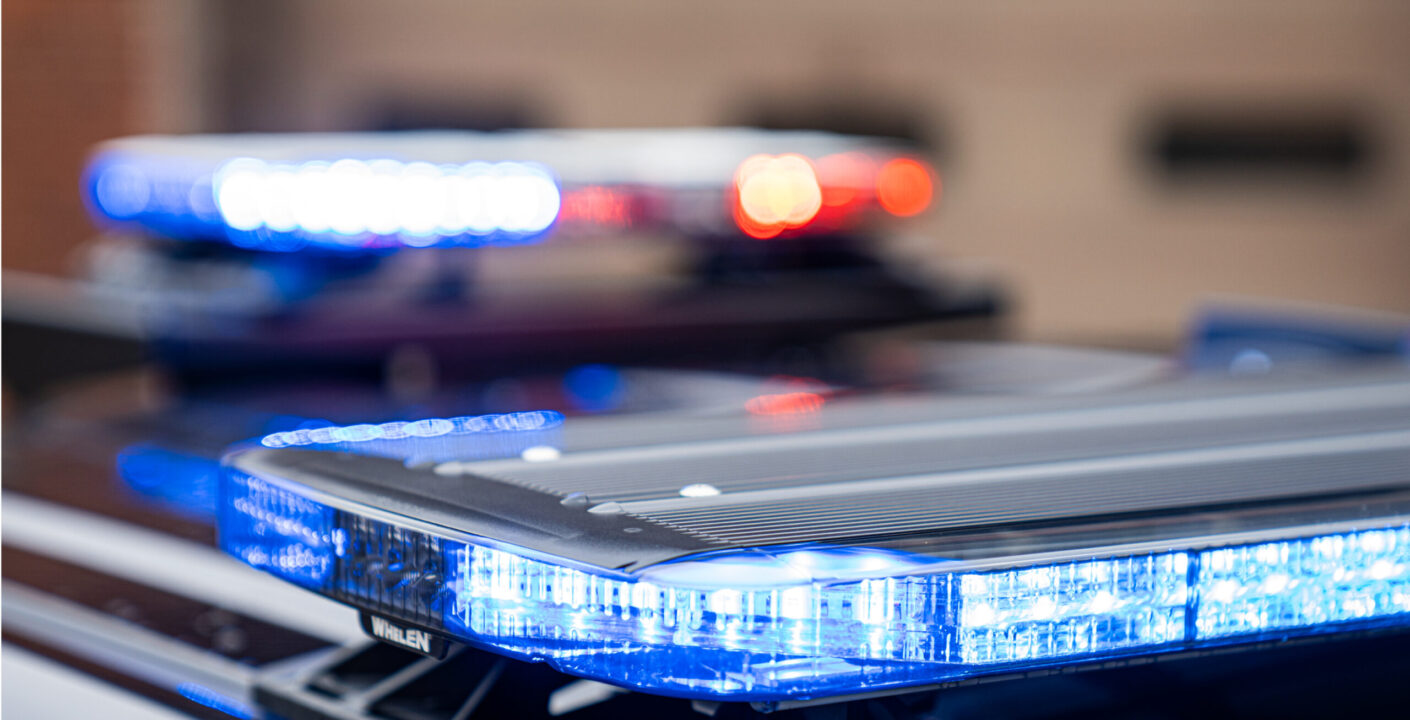
Choosing the right emergency vehicle light bar is critical for ensuring that your vehicle is seen in all conditions, helping to protect both first responders and the public. With various types of light bars available and numerous regulations to consider, this guide will walk you through the key factors to ensure maximum visibility and compliance.
1. Understand the Different Types of Light Bars
- Full-Size Light Bars: These are the most common and provide full 360-degree visibility. They are ideal for police vehicles, fire trucks, and ambulances that require maximum visibility from all angles.
- Mini Light Bars: Perfect for smaller vehicles or situations where full-size light bars are too bulky. They are often used in volunteer responder vehicles or smaller emergency fleets.
- Visor Light Bars: Mounted inside the vehicle, typically on the windshield visor, these are discreet but still effective for vehicles that need to maintain a low profile.
2. Consider Visibility and Flash Patterns
Visibility is the number one concern. LED light bars are the most popular because they are bright, durable, and energy-efficient. Consider light bars that offer multiple flash patterns to suit different situations. High-intensity flashes are great for drawing attention in emergencies, while slower patterns might be useful when blocking traffic. Also, make sure the light bars you purchase is Class 1 certified. Avoid as much as possible the Chineese made lightbars and everything that have 1 watt LEDs. You should aways prefer LEDs that are 3 watts and more.
3. SAE Standards and Compliance
The Society of Automotive Engineers (SAE) has established standards to ensure that emergency vehicle lighting meets safety requirements. Ensure that the light bar you choose is compliant with SAE standards, especially for color and light intensity. For example:
- SAE J595: Defines the minimum performance standards for emergency vehicle lights.
- SAE J845: Pertains to optical warning devices for vehicles.
4. Durability and Weather Resistance
Emergency vehicles need reliable equipment, especially when operating in extreme weather conditions. Look for light bars with a high ingress protection (IP) rating, indicating they are resistant to water and dust. A rating of IP67 or higher is ideal for durability. You should always prioritize lights made in U.S.A. or Canada. They pass strict quality control and you will also contribute in the national economy.
5. Easy Installation
Ensure the light bar you choose is easy to install. Many light bars come with universal mounting brackets, making them compatible with most vehicles. You may also want to look for car-specific brackets or mounting options for an easy fit. If ease of installation, use and programming is a must for you, you can consider all the lightbars that are Data driven like the Whelen Cenator, Legacy, Federal Signal Integrity, Soundoff nForce or Feniex series.
Choosing the right emergency vehicle light bar ensures your vehicle remains visible and compliant in all situations, helping you protect lives.